
Hotels & Resorts
After-Hours Reservations: The $180K Booking Window Hotels Are Sleeping Through
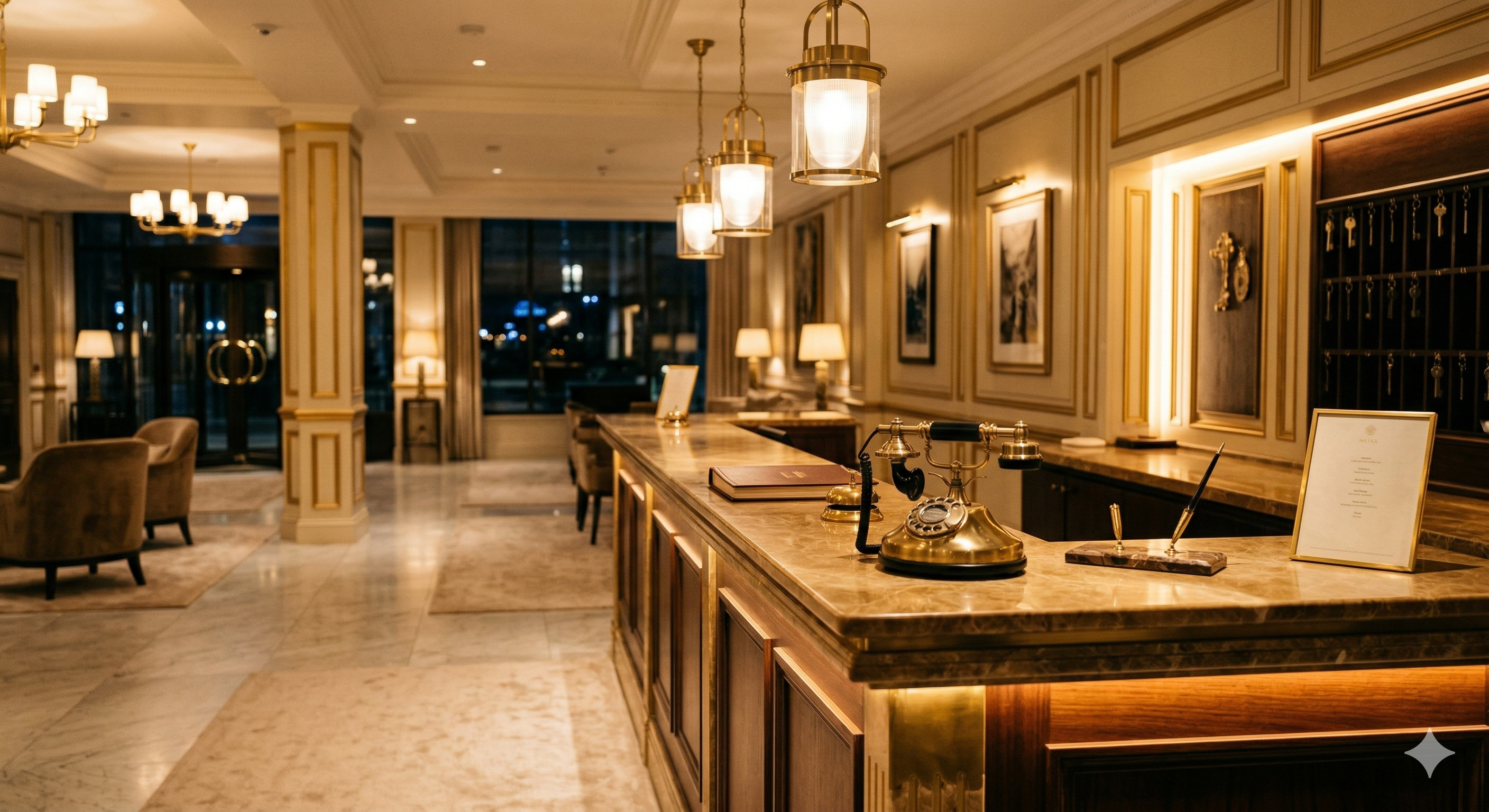
There is a pattern in every set of inbound call logs I have ever seen. The volume is bimodal, a daytime peak you expect, and an evening peak you do not. The evening runs from about 7 p.m. to about 11 p.m. It is the second most active booking window of the day. And at most properties, it hits voicemail. The guest finishes dinner, opens the calendar, and decides tonight is the night she books that anniversary trip. She calls the resort, gets voicemail, and by morning, the impulse is gone.
Based on our partner data, 42% of bookable inbound call intent at hotels, resorts, and spas happens outside daytime business hours. Industry data reinforces this: 80% of callers sent to voicemail never leave a message, which means the property never even knows those guests called. There is no second chance. There is just the silent absence of a booking that should have happened.
Why after-hours hotel reservations are high-intent, not low-intent
There is a temptation to think after-hours callers are somehow less serious. In my experience, the opposite is true. After-hours calls are almost always planning calls, a guest who has just confirmed a trip, made a decision, or finally carved out the mental bandwidth to actually book. Daytime calls are more often errand calls: moving a reservation, asking about parking, checking a deposit. Planning calls are where the bookings are. The after-hours window is not the dregs of the funnel, it is the most intentional part of it.
What it actually costs to staff the window, and why the math breaks
The honest version of this math is uncomfortable. One trained reservations associate covering 7 p.m. to 11 p.m., seven nights a week: roughly $42,000 per year in fully loaded labor. That covers only the first half of the after-hours window. Adding overnight coverage to 9 a.m. pushes that number to $85,000 or more, for one seat, answering a call volume that fluctuates wildly by night. The economics of staffing the after-hours window with humans almost never work for an independent or boutique property.
- 7–11 p.m. window: one FTE evening shift = ~$42,000/year fully loaded
- 11 p.m.–9 a.m. window: overnight coverage = additional $40,000–$55,000/year
- Total cost of full after-hours staffing: $80,000–$100,000/year for one seat
- 80% of after-hours voicemails go unreturned, bookings lost before morning
- Typical after-hours booking revenue gap: $150,000–$250,000/year for a 150-room hotel
- AI voice coverage of the full window: a small fraction of the single-FTE cost
This is not a management failure, this is labor economics. The recovered revenue does not justify the overnight FTE, which is exactly why the window stays dark, until you have a technology layer that changes the math entirely.
How AI voice coverage inverts the after-hours equation
The reason voice AI changes this calculation is simple: the marginal cost of one more answered call is essentially zero. The first call of the night and the fortieth call of the night cost the same. There is no overtime, no fatigue penalty, no "can someone please cover Friday." The fixed cost of running LOULOU for a property is a fraction of the cost of staffing one seat, and it covers the full 14-hour after-hours window, in any language, with direct write into your PMS.
The demand was there the whole time, it was just hitting voicemail.
What to look at in your own call logs this week
Pull your inbound call data for the last 30 days, segment by time of day. Look at how many calls came in between 7 p.m. and 9 a.m. Then look at the voicemail rate. In almost every set of logs I have seen, the pattern is the same: a robust evening call spike, and a voicemail rate north of 80% from 9 p.m. onward.
Once you can see the window, you can make an intentional decision about how to protect it. Your guests are already calling, they are planning their trips in the evenings, the way real people with real jobs actually plan things. The question is whether your property is there when they do, are you?
Continue Reading
A New Chapter for LOULOU AI: Building Tech That Elevates Human Connection
LOULOU AI is proud to announce its first institutional funding, a startup grant from the South Carolina Research Authority. This milestone accelerates our mission to build technology that supports hospitality teams, elevates the guest experience, and captures opportunities without compromising human connection. In this article, we'll explore the significance of this funding and how it reflects our commitment to innovation in hospitality technology.
April 14, 2026 · 3 min
Hospitality AI
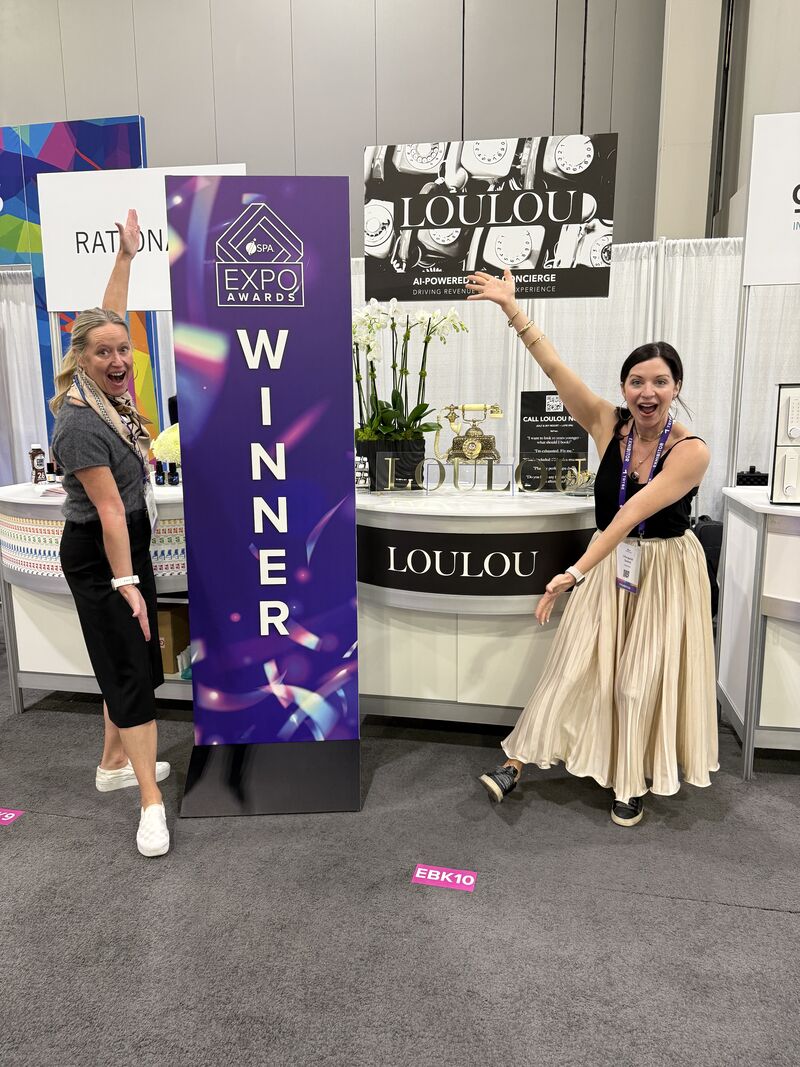
LOULOU Named Best New Product at ISPA 2026, What It Means for Hospitality AI
We went into ISPA with no expectations. We left with the Best New Product/Service award, and with something more important: confirmation that the problem we built for is exactly the problem operators are living every day.
April 13, 2026 · 6 min
The Math of Hospitality: Why Working Smarter Matters
The hospitality industry faces immense pressure due to labor shortages and rising costs. To stay afloat, it's crucial to work smarter and protect both guest experience and revenue. Learn how to overcome these challenges with the right strategies and technologies.
April 11, 2026 · 3 min